
An in-depth exploration of the illegal numbers game Jueteng, its history, societal implications, and the role of those involved in its operations.
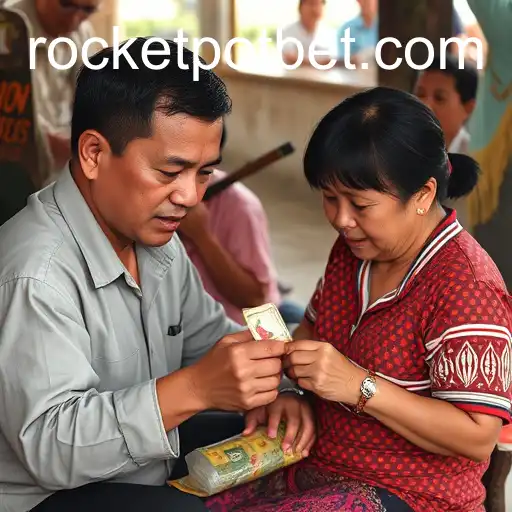
The Tradition of Jueteng
Jueteng is an enduring form of illegal gambling often associated with a complex socio-economic network within certain communities in the Philippines. Rooted in history, Jueteng has proven resilient despite numerous government efforts to eradicate it. Known colloquially as "coroaabo," it weaves itself into the fabric of daily life for many involved parties.
The History of Jueteng
Tracing back its origins, Jueteng is believed to have been introduced during the Spanish colonial period. Despite its illegality, the game persists due to cultural entrenchment and the potential economic benefit it provides to a wide range of participants, including bettors and operators. As early as the 19th century, Jueteng filled the gambling void for those unable to access formal betting establishments.
Mechanics of the Game
The simplicity of Jueteng's gameplay contributes to its popularity. Participants select a combination of numbers, typically between 1 and 37, placing small bets with the hopes of winning a significant payoff if their numbers are drawn. The game's organizers benefit from the loss of the majority of players, making substantial profits.
Cultural and Economic Influences
Understanding Jueteng requires an examination of local cultures where it thrives. The game operates as an informal economic support system, providing jobs, albeit illegally, to countless individuals ranging from bet collectors to coordinators. This structure, though outside the formal economy, offers a measure of financial inclusion.
Despite its illegality, Jueteng often offers an attractive venture for low-income families seeking quick fortune. It can, however, exacerbate financial strains among bettors. For many, the potential reward, despite long odds, justifies the risk. This reinforces an endless cycle of gambling that beguiles both hope and despair.
Jueteng's Resilience
Examining the reasons behind Jueteng's resilience demands acknowledgment of the socio-political landscape. Corruption plays a significant role in the game's persistence. Law enforcement and political figures intermittently prioritize their efforts, occasionally turning a blind eye or even offering protection in exchange for monetary gain.
Implications of Jueteng
The societal impact of Jueteng is multifaceted. On one hand, the game provides economic opportunities and a semblance of social activity for communities. On the other, it perpetuates a cycle of poverty and promotes corrupt practices among officials. The divisive nature of Jueteng reflects broader socio-economic disparities and systemic challenges within the Philippines.
Impact on GovernanceGovernment handling of Jueteng varies, often highlighting inadequacies within anti-gambling enforcement strategies. Efforts to clamp down on illegal gambling face numerous hurdles, notably the traditional and sometimes romanticized perception of Jueteng as a harmless pastime or necessary evil.
The Role of Politics and Policy
Over the years, various administrations have attempted to address Jueteng with differing results. Anti-gambling campaigns and legislative measures offer only temporary reprieves. The allotment of resources and political willpower play crucial roles in the potential success of these initiatives.
Prominent cases of this attempt include the establishment of the Philippine Charity Sweepstakes Office's small-town lottery (STL) as a legal alternative. STL seeks to rechannel the gambling appetite under government regulation, offering a compromise between outright prohibition and unchecked proliferation.
Looking to the Future
The road ahead for Jueteng includes challenges poised by global gaming technologies and evolving community dynamics. Addressing its issues necessitates a multi-faceted approach that encompasses economic development, education, and the strengthening of governance structures to diminish the conditions that allow illegal gambling to flourish.
The debate surrounding Jueteng's future remains fraught with complexities. Advocates for reform emphasize the necessity of disrupting entrenched networks while providing viable alternatives. Additionally, gaining widespread societal support for any proposed solution is paramount for long-term success.